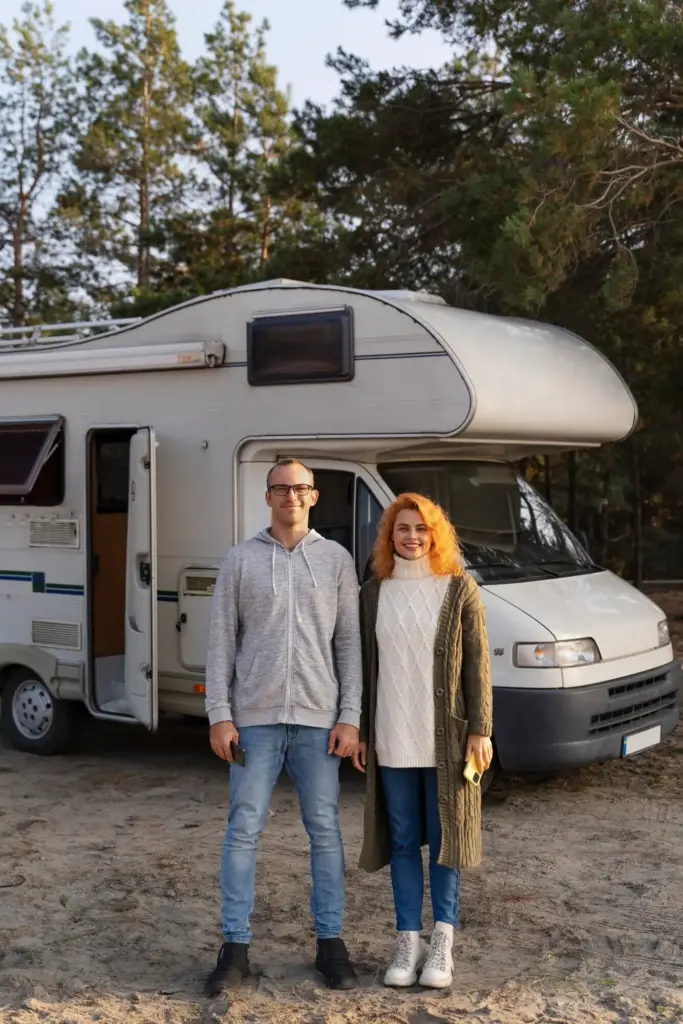
One-Way Family Road Trips, Made Delightfully Simple

We’re diving into family-friendly one-way road trips, spotlighting kid-focused routes and packing tips that reduce stress and spark curiosity. Expect practical checklists, playful planning ideas, and real stories from parents who learned to schedule naps, map snack breaks, and choose return logistics wisely. You’ll discover how to keep the car calm, the trunk organized, and each stop meaningful, turning long stretches of highway into happy, memory-rich miles.

Designing the One-Way Game Plan

Start with the end in mind: drop-off location, return transportation, and kid energy curves. Mixing short scenic legs with high-interest stops prevents backseat mutiny. We’ll show how to size daily distances realistically, match routes to nap windows, and build contingency gaps that absorb surprises like sudden rain or irresistible playgrounds. Along the way, we’ll highlight mapping tools, airline multi-city tricks, and one-way rental fine print that quietly saves money.

Segment the Day Around Little Rhythms

Children thrive on rhythm. Chunk the journey into predictable blocks—drive, wiggle, wonder, refuel—so anticipation replaces anxiety. Plot playgrounds near coffee, pick picnic spots with bathrooms, and time audiobook chapters to signal transitions. Families report fewer meltdowns when each child knows the next stop, the snack choice, and the chance to stretch, creating a gentle cadence that protects patience and keeps conversations joyful.

Return Logistics Without the Headache

One-way trips shine when the ride back is simple. Compare flying from the destination versus rail options or rideshare to the original city. Watch for drop fees that shrink when you choose neighborhood agencies, weekday returns, or membership rates. Book refundable seats first, then lock the car later, and screenshot confirmation numbers. Future-you will thank current-you when nap schedules or weather shift the plan.
Playground-to-Playground Chains

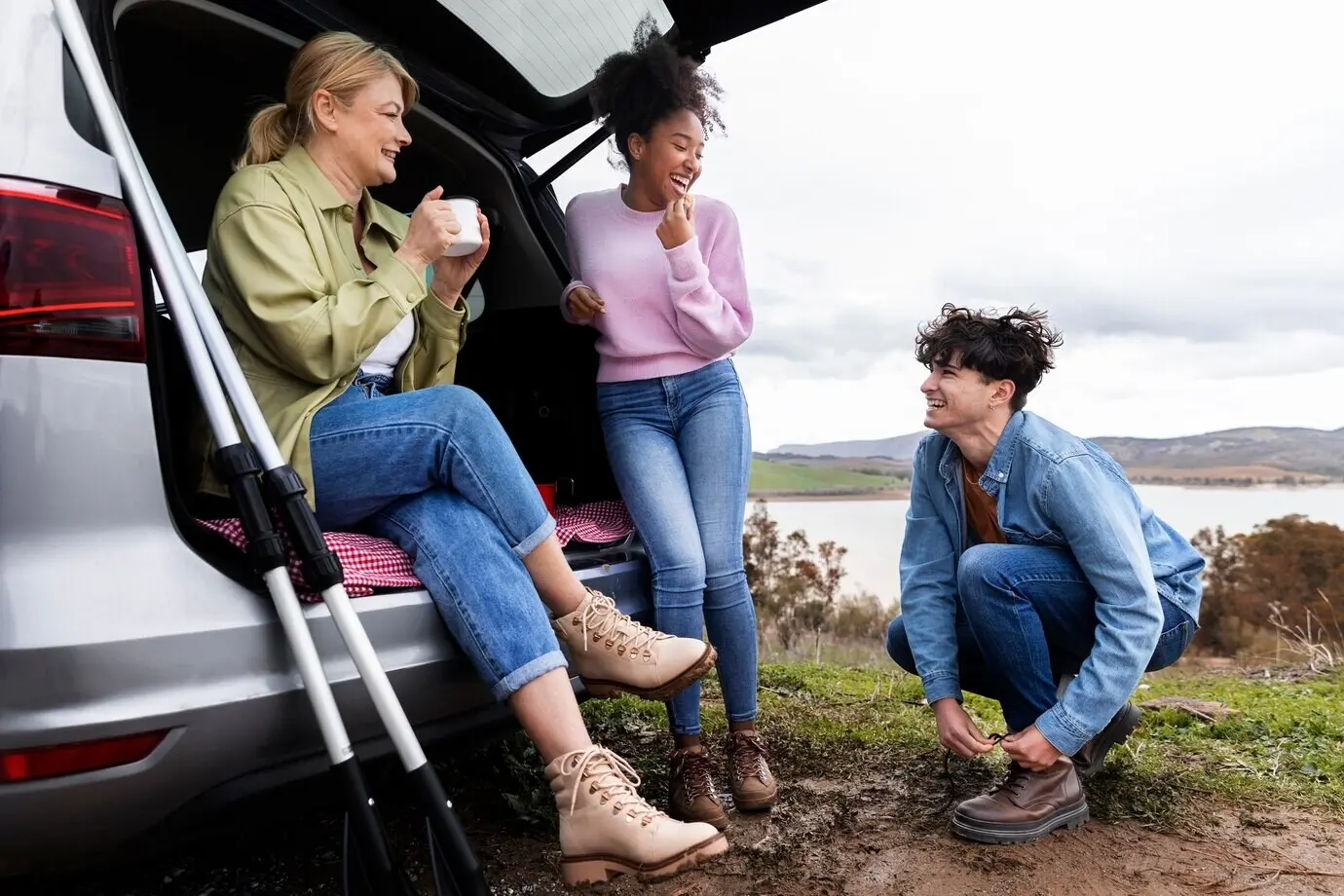
Create a chain of playgrounds within ten minutes of the highway, each with bathrooms, shade, and nearby snacks. Save pins in a shared map so older kids help navigate. Snap a photo at every slide to build a playful progress album. Parents report that predictable playground intervals lower screen requests and help younger travelers sleep deeper once back in the seats, making the next stretch smoother.

Museum and Science Center Strings

String together hands-on spots—children’s museums, discovery centers, planetarium matinees—so learning feels like play. Check reciprocal membership programs that reduce admission across cities. Arrive early for less noise and more staff attention. Bring a small notebook for sketches or new vocabulary. When kids leave clutching a question they cannot stop asking, you know the next hour of driving will fly by with excited chatter.

Packing Smarter, Lighter, Kinder

Pack by zones, not lists: what stays at hand, what lives mid-reach, and what sleeps in the trunk. Color-code each child, use clear pouches, and label cables. Pre-portion snacks, rotate toys like library books, and keep pajamas near doors for late arrivals. A well-packed car reduces decision fatigue, enabling parents to focus on stories, scenery, and safety while kids feel trusted and prepared.

Entertainment That Travels Well

Make the cabin a moving clubhouse. Blend classic road games, curiosity prompts, and media that invite participation. Rotate activities by mood: observation games during scenic drives, audiobooks on long straights, drawing during traffic. Establish a shared music queue so everyone gets a turn. Celebrate completions with small badges or postcards. When engagement is dynamic, time softens, and miles begin to feel like chapters.
Refresh I-spy with themed rounds—colors, shapes, license plates, or animals—and give older kids roles as game hosts. Try micro-challenges like counting bridges before the next rest area. Keep a dry-erase lap board for quick tallies and doodles. These simple games require no battery and transform passing landscapes into playful puzzles, quietly building attention, patience, and observation skills that carry beyond the car.
Curate audiobooks and podcasts with cliffhangers that align to stop lengths. End chapters as you roll into a break so kids beg to return promptly. Choose stories that seed questions you can explore at the next site. Many libraries offer downloads free. Pair listening with sketching or route tracking, turning passive time into creative processing that deepens memories and shared references.

Safety, Health, and Peace of Mind

Peace of mind rides shotgun. Verify car seat fit in the rental, check tether anchors, and confirm headrests. Carry a compact medical pouch with dosing cards, bandages, and a thermometer. Schedule stretch stops every ninety minutes to protect backs and tempers. Teach kids simple safety rituals—door checks, hand signals, buddy calls—so responsibility is shared. Prepared families travel lighter emotionally, even with full trunks.

Car Seats, Boosters, and Belt Fit

Before leaving the lot, test every seat: pinch test for harness tightness, chest clip at armpit level, and less than one inch of movement at the belt path. Many rentals hide tethers beneath seatbacks—ask staff to locate them. A quick photo record of setups helps replicate configurations later and reassures caregivers switching driving duties that everything remains secure and consistent.

Motion Sickness, Hydration, and Rest Stops
Motion sensitivity varies. Keep ginger chews, sea bands, and cool air flowing. Seat the queasiest child where sightlines are best and reading is minimal. Offer light, salty snacks and frequent horizon breaks. Hydration and sleep matter more than you think. If nausea strikes, calmly reset with fresh air, a short walk, and a forgiving schedule, preventing spirals that sour the day.

Community Roadbook: Share, Swap, Subscribe

Funovurutevolekazexo
Privacy Overview

This website uses cookies so that we can provide you with the best user experience possible. Cookie information is stored in your browser and performs functions such as recognising you when you return to our website and helping our team to understand which sections of the website you find most interesting and useful.